Zero waste swaps for beginners: Want to reduce waste but don’t know where to start? Try these 10 simple zero-waste swaps for beginners—eco-friendly, budget-friendly, and planet-saving!
📝Introduction to Zero Waste Swaps for Beginners
Did you know the average American throws away 4.9 pounds of trash every single day? That adds up to a staggering 1,800 pounds of waste per person per year, and a lot of that is single-use plastic—items used for minutes but polluting the planet for centuries.
This is where zero-waste living comes in—a lifestyle that aims to reduce the amount of trash we send to landfills by rethinking our everyday habits. It focuses on the 5 R’s: Refuse, Reduce, Reuse, Recycle, and Rot (compost). Instead of depending on disposable items, zero-waste living promotes reusable, minimalism, and sustainability.
But why does this matter so much? Because only 9% of plastic ever produced has been recycled. The rest is burned, landfilled, or ends up in our oceans. The environmental consequences are huge. Not to mention, switching to reusable options can save you over $200 per year by cutting down on disposable purchases.
And the best part? You don’t need to overhaul your entire life overnight. Start with these 10 easy zero-waste swaps for beginners and begin your eco-friendly journey today!
🌱What is Zero-Waste Living? Understanding Zero Waste Swaps for Beginners
Zero-waste living is a philosophy and lifestyle that aims to prevent waste by making conscious, sustainable choices. Rather than producing garbage that ends up in landfills or incinerators, zero-waste living encourages individuals to shift toward a circular economy—where materials are reused, repurposed, or returned to the earth safely.
It’s not about being perfect—it’s about being intentional. For beginners, it starts with small, manageable changes. These simple zero waste swaps can significantly reduce your ecological footprint and often lead to a more minimalist and cost-effective lifestyle.
📊 Why Choose Zero Waste Swaps for Beginners? (Benefits + Shocking Stats)
- 🌊 Plastic Pollution: Over 11 million tons of plastic enter the oceans annually. By 2050, there could be more plastic than fish in the sea by weight.
- 🤑 Financial Savings: The average American family spends $600/year on disposable products. Swapping to reusable can cut this significantly.
- 🧘 Health Benefits: Many zero-waste products are chemical-free and gentler on skin, such as shampoo bars and cloth menstrual pads.
- 🌎 Environmental Impact: Landfills are one of the largest sources of methane gas, a potent greenhouse gas contributing to climate change.
Embracing zero waste swaps for beginners can be the gateway to living more consciously, saving money, and protecting the planet.
♻️ 10 Easy Zero-Waste Swaps for Beginners That Anyone Can Do
1. Zero Waste Swaps for Beginners: Reusable Grocery Bags
- The Problem: Plastic bags are used for an average of 12 minutes but take over 500 years to decompose.
- The Swap: Ditch the plastic and opt for cotton, jute, or mesh reusable bags. These bags are washable, foldable, and durable enough for years of use.
- Pro Tip: Store one in your car or purse so you’re never caught without it.
- 📌 Shop reusable grocery bags
2. Zero Waste Swaps for Beginners: Stainless Steel or Glass Water Bottles
- The Problem: A staggering 1 million plastic bottles are purchased every minute globally—and only a small percentage are recycled.
- The Swap: Switch to a reusable stainless steel or glass water bottle. Brands like Hydro Flask and Kelan Canteen are top-rated.
- Pro Tip: Add lemon or cucumber slices for a refreshing, eco-friendly hydration boost.
- 📘 Compare bottles here
3. Zero Waste Swaps for Beginners: Beeswax Wraps
- The Problem: Cling wrap is single-use, non-recyclable plastic.
- The Swap: Try beeswax wraps—made from cotton infused with beeswax, tree resin, and jojoba oil. They’re reusable for up to a year.
- Pro Tip: Warm the wrap with your hands to seal over bowls, sandwiches, or produce.
- 🐝 Beeswax wrap packs
4. Zero Waste Swaps for Beginners: Safety Razors
- The Problem: Over 2 billion disposable razors are thrown away each year in the U.S. alone.
- The Swap: A stainless steel safety razor lasts a lifetime, and replacement blades are recyclable.
- Pro Tip: Use a shave bar or DIY shaving cream for a full zero-waste experience.
- 🪒 Eco-friendly razor options
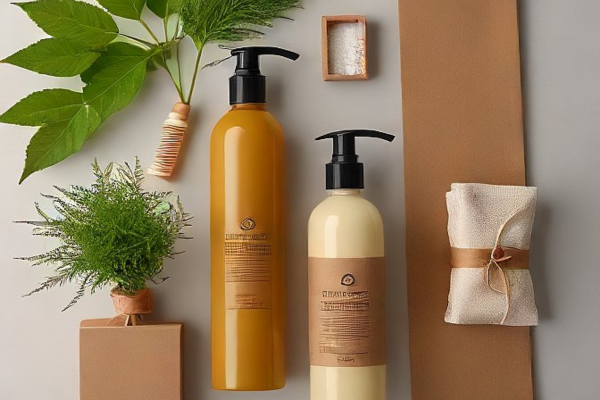
5. Zero Waste Swaps for Beginners: Bar Soap & Shampoo Bars
- The Problem: Billions of plastic bottles are used for liquid soap and shampoo every year.
- The Swap: Switch to soap bars and shampoo bars that come in minimal or compostable packaging.
- Pro Tip: Store them in a well-draining dish to extend their life.
- 🧼 Browse bar shampoos
6. Zero Waste Swaps for Beginners: Silicone Food Covers
- The Problem: Plastic wrap and zip bags are disposable and rarely recycled.
- The Swap: Silicone stretch lids can cover bowls, jars, and even half-cut fruits.
- Pro Tip: They’re microwave-safe, dishwasher-safe, and freezer-friendly.
- 🍱 Silicone covers
7. Zero Waste Swaps for Beginners: Cloth Napkins and Rags
- The Problem: Americans use over 13 billion pounds of paper towels every year.
- The Swap: Replace with washable cloth napkins and cleaning rags.
- Pro Tip: Color-code your cloths for kitchen, bath, and other uses to stay organized.
- 🧺 DIY Tip: Old t-shirts make great reusable rags.
8. Zero Waste Swaps for Beginners: Compost Bin
- The Problem: Food waste accounts for nearly 30-40% of total trash.
- The Swap: Use a countertop compost bin to turn food scraps into nutrient-rich soil.
- Pro Tip: Composting reduces methane emissions and enriches your garden.
- 🌿 How to start composting
9. Zero Waste Swaps for Beginners: Bamboo Toothbrush
The Problem: Plastic toothbrushes can’t be recycled and take centuries to break down.
- The Swap: A bamboo toothbrush is biodegradable and just as effective.
- Pro Tip: When it’s time to replace, reuse the handle as a
- 🪥 Top-rated bamboo toothbrushes
10. Zero Waste Swaps for Beginners: Menstrual Cups and Reusable Pads
- The Problem: Disposable feminine products contribute significantly to landfill waste.
- The Swap: Menstrual cups, cloth pads, or period underwear are reusable and safer for your body.
- Pro Tip: Menstrual cups can last up to 10 years, saving you hundreds of dollars.
- 💗 Always consult with a medical professional before trying something new.
🎯 Additional Tips for Making Zero Waste Swaps as a Beginner
- Track your waste to identify the easiest swaps.
- Join a zero-waste community for support and advice.
- Avoid impulse purchases—buy what you need, not what’s trendy.
- Educate your household to make collective impact.
❓ FAQs – Common Questions About Zero Waste Swaps for Beginners
Q1. Are zero-waste swaps for beginners expensive?
Some initial investments may cost more, but most save you money in the long run.
Q2. Can I go zero-waste if I live in a small apartment?
Yes! Most swaps are space-friendly—start with reusable bags, water bottles, and compost bins.
Q3. Is going zero-waste all or nothing?
Absolutely not. Every small swap helps. It’s about progress, not perfection.
Q4. Where can I buy zero-waste products
Online stores like Etsy, Package Free Shop, and Amazon carry sustainable options.
Q5. Do I need to make everything from scratch?
Not unless you want to! Plenty of pre-made zero-waste alternatives exist.
Q6. How do I convince my family to join in?
Lead by example, show the benefits, and offer easy swaps to try.
✅ Conclusion: Start Your Journey with These Zero Waste Swaps for Beginners
You don’t have to overhaul your entire life to live sustainably. These zero waste swaps for beginners are easy, affordable, and deeply impactful. Whether it’s carrying a reusable bag, switching to a shampoo bar, or composting your scraps, each step you take helps build a healthier planet.
So, which swap will you make first?
Let’s start today—small steps, big difference. 🌍💚