Introduction
Ever feel like the planet is drowning in plastic and waste? Yeah, same here. The good news is—there’s a fix. It’s called switching to eco-friendly alternatives, and it’s way easier than you think. These small changes in our everyday routine can add up to a huge impact on the environment. Whether you’re a seasoned sustainability advocate or just getting started, this guide has got you covered with the best eco-friendly swaps for things you already use daily.
Kitchen Swaps
Reusable Beeswax Wraps Instead of Plastic Wrap
Plastic wrap? Toss it. Beeswax wraps are natural, reusable, and compostable. You can wrap up everything from sandwiches to leftover veggies, and they cling just like plastic—but without the guilt.
Compostable Sponges Over Synthetic Ones
Your kitchen sponge might be harboring bacteria and microplastics. Instead, grab compostable sponges made from natural materials like cellulose or loofah. When you’re done, toss them in the compost bin.
Glass Storage Containers Instead of Plastic Tubs
Tired of stained, smelly plastic containers? Glass containers are non-toxic, last forever, and don’t absorb odors. They’re microwave-safe and look classy, too.
Bathroom Essentials
Bamboo Toothbrushes Instead of Plastic Ones
It’s wild to think every plastic toothbrush you’ve ever used still exists. Bamboo toothbrushes are biodegradable and just as effective—some even have compostable bristles.
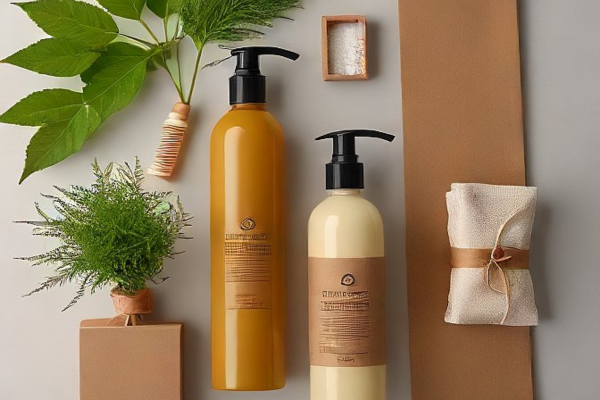
Shampoo and Conditioner Bars vs. Bottled Versions
Save your shelf space (and the ocean). Shampoo bars work just like liquid versions but come in zero-waste packaging. Bonus: they last longer!
Recycled Toilet Paper
Yep, it’s a thing. Recycled toilet paper is made from post-consumer paper and saves trees, water, and energy. And no, it’s not rough on your skin—it’s actually pretty plush!
Cleaning Products
DIY Natural Cleaners Over Chemical-Based Cleaners
Your kitchen probably has everything you need to whip up a cleaner. Baking soda, vinegar, and lemon juice make powerful and safe alternatives to chemical-laden sprays.
Refillable Cleaning Bottles
Instead of buying new plastic spray bottles every time, get a refillable cleaning system. Many brands now offer concentrated refills that cut down plastic waste significantly.
Reusable Cleaning Cloths Instead of Paper Towels
Ditch the paper towels and go for microfiber cloths or old t-shirts. Wash them and reuse—easy, effective, and eco-friendly.
Fashion and Clothing
Organic Cotton and Hemp Over Fast Fashion
Fast fashion is cheap—for your wallet, but not the planet. Organic cotton and hemp are grown without toxic pesticides and are way more sustainable.
Thrifting Instead of Buying New
Why buy new when you can thrift like a pro? Secondhand stores are full of unique finds and drastically reduce your carbon footprint.
Eco-Friendly Laundry Detergents
Switch to biodegradable, non-toxic detergents that come in cardboard packaging or reusable containers. Your clothes—and the rivers—will thank you.
Travel and On-the-Go
Stainless Steel Water Bottles Over Plastic Ones
Plastic bottles are so last decade. Stainless steel or glass bottles keep drinks cold (or hot) and can last for years.
Reusable Shopping Bags vs. Plastic Bags
Reusable bags are a no-brainer. Keep one folded in your purse or car so you never have to say yes to plastic again.
Eco-Friendly Travel Cutlery and Containers
Pack a bamboo cutlery set and reusable food containers when you’re out. No more flimsy, single-use stuff needed.
Home and Lifestyle
LED Light Bulbs Instead of Incandescent Bulbs
LEDs use up to 80% less energy and last 25x longer than traditional bulbs. It’s a simple swap with big energy savings.
Solar-Powered Devices
From solar chargers to garden lights, solar energy is clean, renewable, and free once you install the tech.
Eco-Friendly Furniture and Décor
Choose pieces made from recycled wood, bamboo, or sustainable materials. They’re stylish, unique, and way better for the planet.
Tech and Electronics
Energy Star-Certified Appliances
Look for that little Energy Star label when buying appliances. It means the product meets strict energy efficiency guidelines.
Buying Refurbished Gadgets
Refurbished doesn’t mean second-rate. It means less e-waste, less demand on resources, and more savings for you.
Proper E-Waste Recycling
Don’t toss old electronics in the trash. Use certified e-waste recycling centers to dispose of them safely and responsibly.
Parenting and Kids
Cloth Diapers vs. Disposable Diapers
Yes, they’re more work—but cloth diapers save thousands from landfills and are gentler on your baby’s skin.
Wooden Toys Instead of Plastic Toys
Wooden toys are durable, non-toxic, and timeless. They’re also often made by small, eco-conscious brands.
Hand-Me-Downs and Second-Hand Baby Gear
Babies grow fast. Borrow, swap, or buy used—it’s practical and sustainable.
Food and Groceries
Bulk Buying to Cut Down on Packaging
Shop from bulk bins with your own containers. It’s cheaper and reduces single-use packaging.
Local and Organic Produce
Support local farmers and reduce emissions from long-distance shipping by buying organic and local produce.
Zero-Waste Grocery Stores
These are popping up everywhere! Bring your jars, bags, and containers and leave with zero trash.
Office and Stationery
Recycled Paper Products
From notebooks to printer paper, always go for recycled options to save trees and water.
Refillable Pens and Eco-Friendly Stationery
Pens don’t need to be disposable. Look for refillable or biodegradable pens and recycled notebooks.
Pet Care
Natural Pet Food
Choose brands that use organic, human-grade ingredients with minimal packaging.
Compostable Waste Bags
Plastic poop bags? Nope. Go for compostable ones that break down naturally and quickly.
Gardening and Outdoors
Organic Fertilizers
Avoid chemical runoff by using organic compost, manure, or plant-based fertilizers.
Rainwater Harvesting Systems
Use collected rainwater for gardening and even flushing toilets—it’s free and sustainable.
Compost Bins and Practices
Turn your kitchen scraps into gold for your garden. Composting reduces waste and enriches your soil.
Challenges and Misconceptions
The Cost Myth
Many assume eco-friendly = expensive. Not true. Reusable items save money in the long run. One bamboo toothbrush costs a bit more upfront but lasts just as long—or longer—than a plastic one.
Greenwashing and How to Spot It
Some products look eco-friendly but aren’t. Watch out for vague terms like “natural” or “green.” Look for certifications like USDA Organic, Energy Star, or Fair Trade.
Benefits of Making the Switch
Choosing eco-friendly products helps the environment, supports better health, and even saves you money over time. Plus, you’re setting a great example for others. Every small step matters—think of it like a ripple effect that grows with each conscious decision.
Conclusion
You don’t have to go full zero-waste overnight. Just pick a few easy swaps, stick with them, and build from there. Over time, you’ll be amazed at how much waste you’ve avoided and how natural it feels to live sustainably. It’s not about being perfect—it’s about making better choices, bit by bit.
FAQs
1. What is the easiest eco-friendly swap to start with?
Reusable shopping bags or a stainless steel water bottle are great first steps.
2. Are eco-friendly products really more expensive?
Not always. Many cost more upfront but save money long term by being reusable or longer-lasting.
3. How can I avoid falling for greenwashing?
Look for trusted certifications and do a quick search on the company’s sustainability practices.
4. Do small changes actually make a difference?
Absolutely! One person can prevent hundreds of plastic items from ending up in landfills over a lifetime.
5. What are the best eco-friendly brands?
Brands like Etee, EarthHero, Who Gives A Crap, and Grove Collaborative are known for real sustainability efforts.